Our Mission
What We Do
Educate Congress
Most members of Congress have never toured a fusion lab or met the engineers building this industry. We change that, one meeting at a time, on both sides of the aisle.
Back Fusion Champions
We support House and Senate candidates, in both parties, who fight for the research budgets and sensible licensing rules that fusion needs to reach the grid.
American Leadership
Fusion is a global race, and leadership is earned. We work for the research investment, supply chains, and manufacturing base that keep the U.S. at the front of it.
Heritage
Seventy Years in the Making
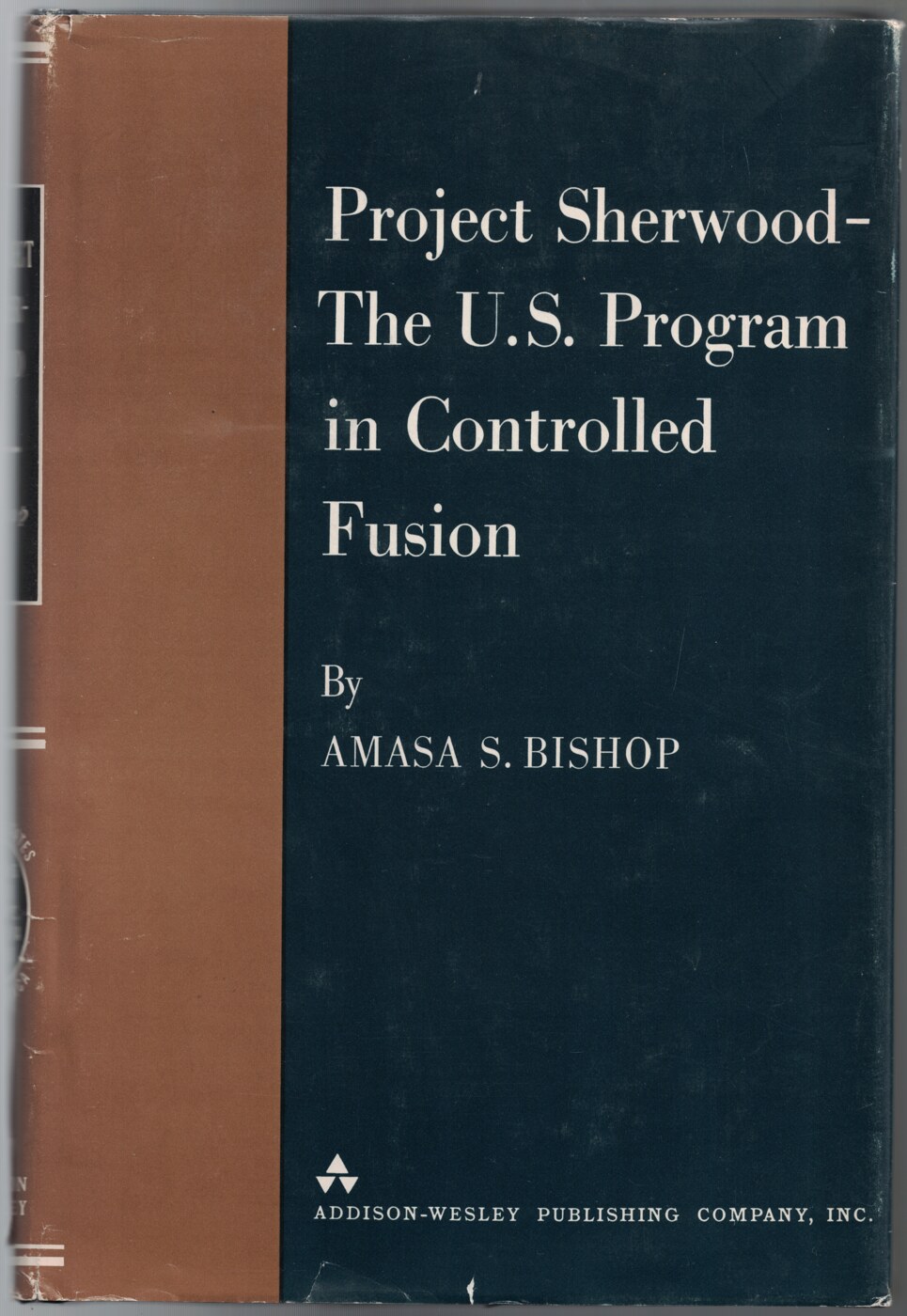
In 1951, the United States quietly launched Project Sherwood — the classified national program in controlled nuclear fusion. At Princeton, Lyman Spitzer's stellarators chased the physics of the stars. At Los Alamos, James Tuck's Perhapsatron pinched plasma into filaments of light. Declassified in 1958, that program seeded everything that followed: the national laboratories, the tokamak era, and today's private fusion industry racing to put fusion electrons on the grid.